
November 20, 2026
Discovering Environmental Conservation Opportunities Through Volunteering in Costa Rica
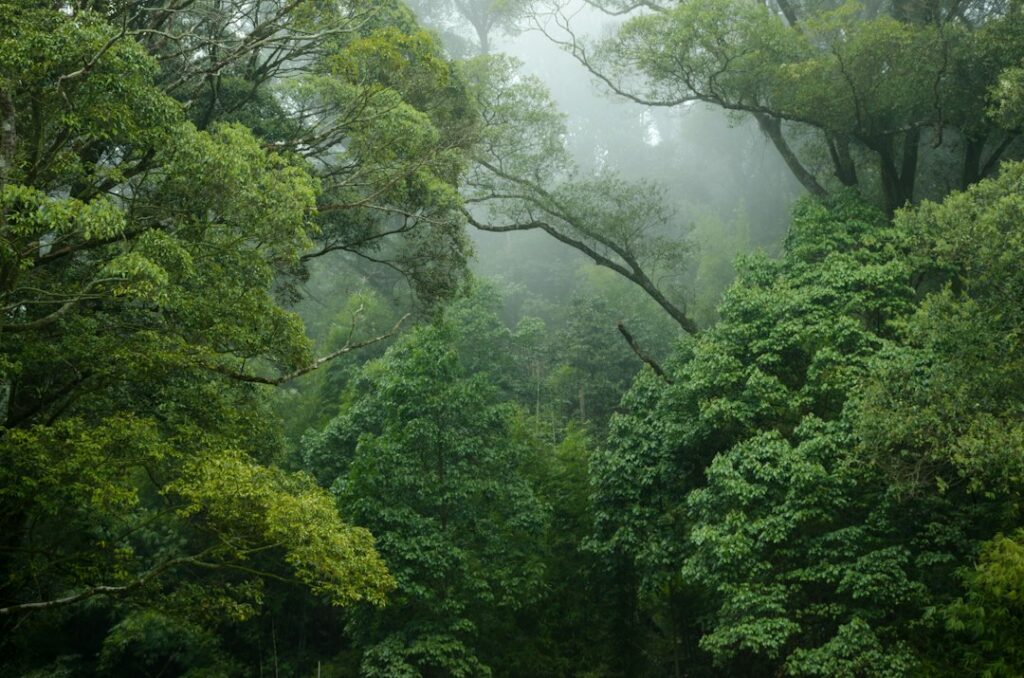
Why Is Costa Rica Important for Environmental Volunteering?
Costa Rica is internationally recognized for its rich biodiversity, tropical forests, coastal ecosystems, and commitment to environmental protection. Its natural surroundings provide valuable opportunities for conservation education and practical environmental initiatives. For individuals interested in protecting the planet, Costa Rica Volunteer Programs offer ways to participate in projects that support ecological awareness, habitat preservation, and sustainable community practices.
What Environmental Challenges Do Conservation Projects Address?
Environmental conservation involves several interconnected challenges. Habitat loss, pollution, climate-related changes, and pressure on natural resources can affect ecosystems and the species that depend on them.
Local conservation organizations work to address these concerns through research, education, habitat restoration, and community participation.
Volunteers can contribute by supporting approved activities that complement the work of experienced conservation professionals. Understanding the purpose of each assignment helps participants recognize the broader importance of their contribution.
What Activities Can Environmental Volunteers Perform?
Project responsibilities vary depending on the organization and location.
Reforestation initiatives may involve preparing planting areas, supporting native tree planting, maintaining restoration sites, and learning about local vegetation.
Habitat conservation projects can include trail maintenance, environmental monitoring support, and activities that help preserve natural spaces.
Some organizations also conduct educational programs that introduce communities and visitors to responsible environmental practices.
Coastal conservation initiatives may focus on beach cleanliness, ecosystem awareness, and educational activities related to marine environments.
Volunteers should remember that research, wildlife handling, and technical conservation tasks require appropriate authorization and professional supervision.
Are Wildlife Conservation Projects Suitable for Beginners?
Some wildlife conservation opportunities welcome participants without previous experience. These projects generally provide instructions about animal welfare, workplace safety, and permitted responsibilities.
However, wildlife protection requires careful attention to professional standards. Volunteers should never attempt to handle animals, administer treatment, or interfere with natural behavior unless they have the necessary authorization and qualifications.
Responsible projects emphasize observation, education, habitat protection, and activities that genuinely benefit wildlife.
How Can Volunteers Support Sustainable Communities?
Environmental protection becomes more effective when local communities participate in conservation efforts.
Volunteers may assist with educational workshops, awareness campaigns, community cleanups, and activities promoting responsible resource management.
These initiatives help connect environmental protection with everyday decisions. For example, discussions about waste reduction, water conservation, and responsible tourism can encourage environmentally conscious habits.
The most successful projects respect local knowledge and recognize that residents play a central role in protecting their surroundings.
What Skills Are Useful for Environmental Volunteering?
A strong interest in nature is a helpful starting point. Participants should also demonstrate reliability, patience, teamwork, and willingness to work in changing outdoor conditions.
Communication skills are useful when collaborating with local coordinators and other volunteers. Basic Spanish knowledge can further improve participation in community activities.
People with experience in education, environmental science, photography, or research may have additional skills that support certain projects.
What Should Participants Expect From Outdoor Work?
Outdoor conservation activities can involve walking, planting, observation, and practical maintenance. Tropical weather may bring humidity, rainfall, and changing ground conditions.
Participants should follow safety instructions, wear suitable clothing, stay hydrated, and use recommended protective equipment.
Not every task is physically demanding, but volunteers should discuss accessibility requirements and project expectations before confirming their participation.
How Can Travelers Practice Responsible Tourism?
Responsible tourism means minimizing environmental impact while respecting local communities and natural habitats.
Volunteers should avoid littering, follow designated paths, respect wildlife observation guidelines, and use resources thoughtfully. Supporting locally operated services can also help strengthen community participation in tourism.
Photographs should be taken respectfully, particularly when they involve local residents or conservation activities.
How Can You Select a Trustworthy Conservation Project?
Research the organization’s environmental objectives, local partnerships, volunteer responsibilities, and conservation policies.
Ask how the project measures its progress and whether its activities are guided by qualified professionals. A responsible initiative should explain how volunteers fit into existing conservation work.
Avoid opportunities that prioritize entertainment or close wildlife interaction over animal welfare.
Can Environmental Volunteering Create Lasting Benefits?
Yes, when projects are carefully managed and aligned with genuine conservation priorities. Volunteers can support ongoing activities while developing a stronger understanding of biodiversity and environmental responsibility.
A successful experience is not measured only by the activities completed during a visit. It is also reflected in the knowledge gained, relationships developed, and greater awareness participants carry into their everyday lives.
At a Glance
- Costa Rica is known for its rich biodiversity and commitment to environmental protection, making it a prime location for volunteering in conservation efforts.
- Volunteers in Costa Rica can engage in activities such as reforestation, habitat conservation, and educational programs focused on responsible environmental practices.
- Wildlife conservation projects may accept participants without prior experience, but they emphasize the importance of professional standards and proper authorization for any wildlife handling.
- Successful environmental volunteering initiatives rely on the active participation of local communities and respect local knowledge in conservation efforts.
- Volunteers should be prepared for outdoor work in tropical conditions and understand the physical demands and accessibility requirements of their chosen projects.
- To identify trustworthy conservation projects, individuals should research the organization’s objectives, volunteer responsibilities, and the qualifications of those guiding the activities.